Red Cross warns Ebola outbreak in DRC not yet peaked, could last a year | Health News

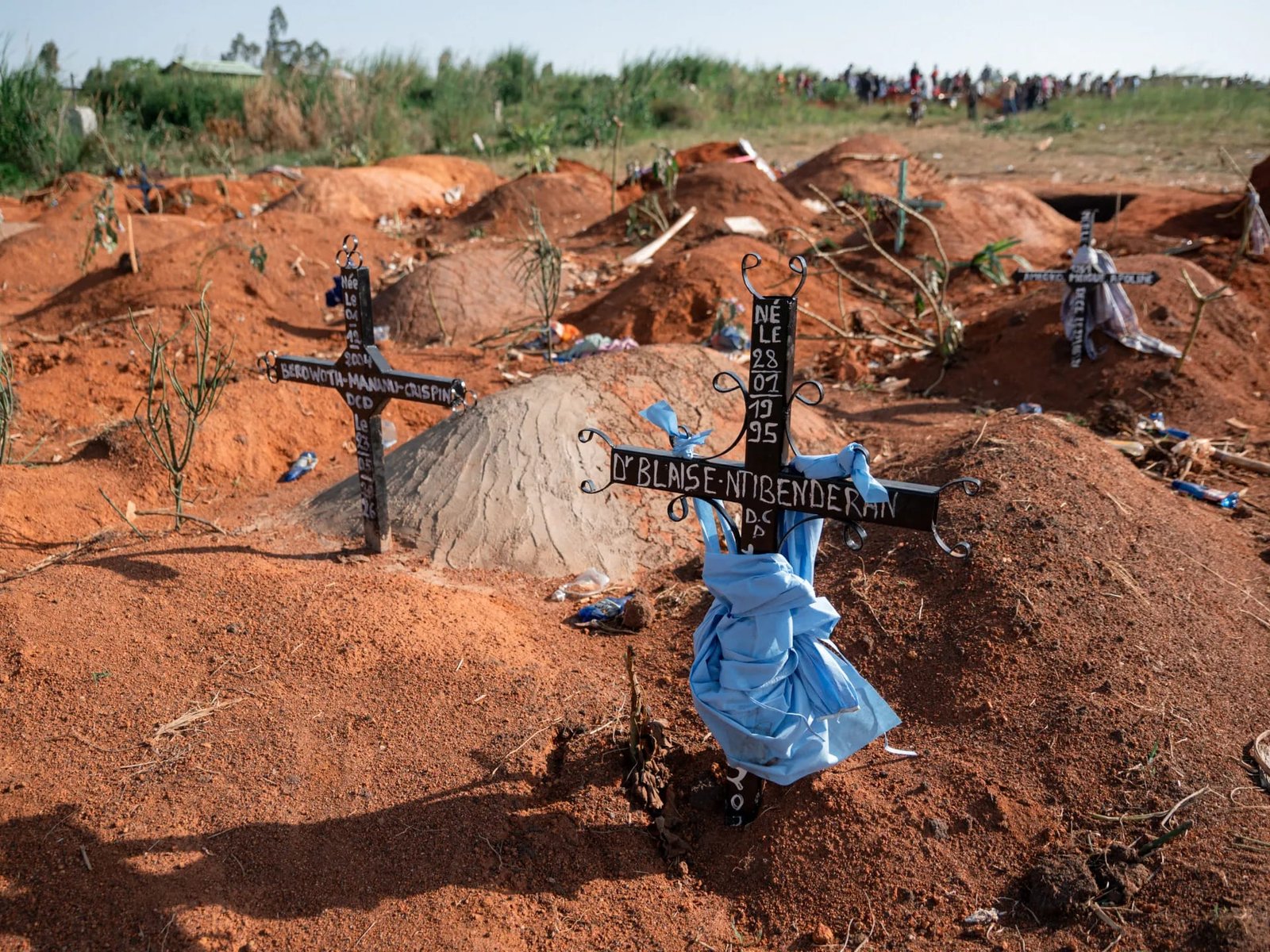
Experts say nobody yet knows how far and how fast the virus is spreading.

Published On 16 Jun 2026
The Ebola epidemic in the eastern Democratic Republic of the Congo (DRC) has not yet peaked and could last for another year, the Red Cross has warned.
“The peak is, I think, not behind us, but in front of us,” Bruno Michon, operations manager for the International Federation of Red Cross and Red Crescent Societies, told reporters on Tuesday by videolink from eastern DRC.
Recommended Stories
list of 3 itemsend of list
“We are afraid that this could last one year, to end this disease,” he said, adding that it was “very difficult” to know the extent to which the epidemic was spreading.
The outbreak of the rare Bundibugyo strain has so far killed 192 people in the DRC. According to government data, the disease, which is transmitted through body fluids even after death, is spreading fast across three provinces.
Michon said Red Cross and Red Crescent teams helping with community engagement and safe burials of those who have died have faced verbal abuse, threats and attacks in recent days.
“Building trust takes time. It requires honesty, patience, and humility, but in this outbreak it is not optional; it is life-saving,” he said.
Health officials in the country say that while the outbreak was declared more than a month ago, the true scale of the virus remains unknown.
Kate White, emergency medical coordinator for the medical charity Doctors Without Borders, known by its French initials MSF, said on Monday: “No one knows the true scale or exactly where the disease is spreading in DRC.”
An MSF statement added that testing remains “one of the most significant weaknesses in the response”.
A senior Congolese public health official, who spoke to the Reuters news agency anonymously, said the problem in the DRC was more than just testing.
The official said data from three different sources, including laboratories, hospitals, treatment centres, and epidemiological surveillance teams, were extremely difficult to harmonise, leading to inaccuracies and distortions in both directions.
Some cases may be overcounted when patients cross health zones and are tested more than once, while some people are dying in communities without ever coming to the attention of health authorities, the official said, adding that he believed the virus began circulating in February.
Source link